Non-Surgical Varicose Veins Treatment
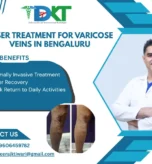
Varicose veins are a common vascular condition that affects millions of people worldwide. They occur when the valves inside the veins become weak or damaged, causing blood to flow backward and collect in the veins. This leads to enlarged, twisted, and bulging veins, most commonly in the legs. While many people consider varicose veins only a cosmetic concern, they can also cause significant discomfort and lead to serious complications if left untreated. Fortunately, Non-Surgical Varicose Veins Treatment provides an advanced, safe, and highly effective alternative to traditional surgery, helping patients achieve long-lasting relief with minimal pain and downtime.
Modern Non-Surgical Varicose Veins Treatment uses minimally invasive, image-guided procedures to close damaged veins without the need for large incisions, stitches, or general anesthesia. Techniques such as Endovenous Laser Treatment (EVLT), Radiofrequency Ablation (RFA), Foam Sclerotherapy, and Glue Ablation have transformed the management of varicose veins, allowing patients to return to their daily routine much faster than conventional surgery.
Whether you experience aching legs after standing for long hours, visible bulging veins, swelling around the ankles, or skin discoloration, seeking timely treatment can prevent complications and improve your overall quality of life. Early diagnosis and appropriate treatment not only relieve symptoms but also restore healthy blood circulation and enhance the appearance of the legs.
What Are Varicose Veins?
Varicose veins are enlarged, swollen, and twisted veins that develop when the valves inside the veins stop functioning properly. Normally, these valves allow blood to flow toward the heart while preventing it from flowing backward. When the valves become weak, blood begins to pool inside the veins, increasing pressure and causing them to enlarge.
Varicose veins usually appear on the legs because the veins in the lower limbs must work against gravity to return blood to the heart. The condition can affect both men and women, although women are more commonly affected due to hormonal changes and pregnancy.
Without proper treatment, varicose veins may worsen over time and increase the risk of complications such as chronic venous insufficiency, skin ulcers, bleeding, and blood clots.
Causes of Varicose Veins
Several factors contribute to the development of varicose veins. The most common causes include:
- Family history of varicose veins
- Aging
- Obesity
- Pregnancy
- Hormonal changes
- Standing or sitting for long hours
- Lack of physical activity
- Previous leg injury
- Chronic constipation
- Increased pressure within the veins
People working in occupations that require prolonged standing, such as teachers, nurses, retail workers, factory employees, chefs, and security personnel, are more likely to develop varicose veins.
Symptoms of Varicose Veins
Symptoms vary depending on the severity of the condition. Some patients may only notice enlarged veins, while others experience significant discomfort.
Common symptoms include:
- Bulging blue or purple veins
- Aching or throbbing pain
- Heaviness in the legs
- Swelling around the ankles
- Burning sensation
- Muscle cramps, especially at night
- Itching around the affected veins
- Skin discoloration
- Restless legs
- Tiredness after prolonged standing
- Venous ulcers in advanced cases
If these symptoms persist or worsen, consulting a specialist for Non-Surgical Varicose Veins Treatment is recommended.
What Is Non-Surgical Varicose Veins Treatment?
Non-Surgical Varicose Veins Treatment refers to minimally invasive procedures designed to close or eliminate damaged veins without traditional surgery. These treatments are performed using image guidance and require only a tiny needle puncture instead of large incisions.
The damaged vein is sealed, allowing blood to flow through healthy veins. Over time, the treated vein is naturally absorbed by the body, improving blood circulation and relieving symptoms.
Most procedures are performed under local anesthesia, and patients can return home the same day.
Types of Non-Surgical Varicose Veins Treatment
Endovenous Laser Treatment (EVLT)
EVLT is one of the most widely used minimally invasive treatments for varicose veins. During the procedure, a thin laser fiber is inserted into the affected vein under ultrasound guidance. Laser energy heats the vein wall, causing it to collapse and seal shut.
Benefits include:
- No major surgery
- Minimal pain
- High success rate
- Faster recovery
- Excellent cosmetic results
Radiofrequency Ablation (RFA)
Radiofrequency Ablation uses controlled radiofrequency energy to generate heat inside the diseased vein. This heat seals the vein, allowing blood to reroute through healthy veins.
Advantages include:
- Less post-procedure discomfort
- Quick recovery
- Small puncture site
- High long-term success
- Same-day discharge
Foam Sclerotherapy
Foam Sclerotherapy is commonly used for smaller varicose veins and spider veins. A specially prepared foam solution is injected into the affected vein, causing it to collapse and gradually disappear.
This treatment is especially useful for:
- Spider veins
- Small varicose veins
- Residual veins after EVLT or RFA
Glue Ablation
Glue Ablation is one of the latest innovations in Non-Surgical Varicose Veins Treatment. A medical adhesive is delivered into the diseased vein through a catheter, sealing the vein instantly.
Benefits include:
- No heat
- No multiple injections
- Minimal discomfort
- Rapid recovery
- Immediate symptom relief
Benefits of Non-Surgical Varicose Veins Treatment
Modern minimally invasive procedures offer several advantages over traditional vein stripping surgery.
Some of the major benefits include:
- No large incisions
- No stitches
- Performed under local anesthesia
- Day-care procedure
- Minimal blood loss
- Less pain
- Faster recovery
- Minimal scarring
- High success rate
- Lower risk of complications
- Better cosmetic appearance
- Improved blood circulation
- Quick return to work
These benefits make Non-Surgical Varicose Veins Treatment the preferred option for most patients.
Diagnosis Before Treatment
Before recommending treatment, the specialist performs a thorough evaluation.
Diagnosis typically includes:
- Detailed medical history
- Physical examination
- Duplex Doppler Ultrasound
- Assessment of vein function
- Evaluation of blood flow
A Doppler ultrasound helps identify damaged valves and determine the severity of venous reflux, allowing the doctor to choose the most appropriate treatment.
Who Is a Suitable Candidate?
You may benefit from Non-Surgical Varicose Veins Treatment if you have:
- Enlarged visible veins
- Persistent leg pain
- Swelling
- Skin discoloration
- Venous ulcers
- Heavy or tired legs
- Night cramps
- Failure of conservative treatment
- Recurrent varicose veins after surgery
Early treatment helps prevent complications and improves long-term outcomes.
Recovery After Treatment
Recovery after minimally invasive treatment is generally quick and comfortable.
Patients are usually encouraged to walk immediately after the procedure to improve circulation and reduce the risk of blood clots.
Recovery tips include:
- Wear compression stockings as advised
- Walk daily
- Avoid prolonged standing
- Avoid heavy lifting for a few days
- Drink plenty of water
- Maintain a healthy weight
- Attend scheduled follow-up visits
Most patients return to office work within one to three days.
Preventing Varicose Veins
Although not every case can be prevented, adopting healthy lifestyle habits can reduce the risk of developing varicose veins or prevent existing veins from worsening.
Helpful preventive measures include:
- Exercise regularly
- Maintain a healthy body weight
- Avoid sitting or standing for long periods
- Elevate your legs while resting
- Wear compression stockings if recommended
- Eat a balanced, fiber-rich diet
- Stay hydrated
- Avoid smoking
- Stretch your legs during long journeys
Why Choose Non-Surgical Varicose Veins Treatment?
Compared with conventional surgery, modern minimally invasive procedures provide greater comfort, faster healing, fewer complications, and superior cosmetic results. The procedures are performed under image guidance, making them highly accurate and effective.
Patients experience less pain, minimal downtime, and excellent long-term symptom relief. Because there are no large cuts or stitches, the risk of infection and scarring is significantly reduced.
For most patients with symptomatic varicose veins, Non-Surgical Varicose Veins Treatment is now considered the gold standard of care.
Frequently Asked Questions (FAQs)
1. What is Non-Surgical Varicose Veins Treatment?
It is a minimally invasive procedure that treats damaged veins using laser, radiofrequency energy, medical glue, or foam injections without traditional surgery.
2. Is Non-Surgical Varicose Veins Treatment painful?
No. The procedure is performed under local anesthesia, and most patients experience only mild discomfort.
3. How long does the procedure take?
Most treatments are completed within 30 to 60 minutes, depending on the number and size of the affected veins.
4. Can I walk after the treatment?
Yes. Walking is encouraged immediately after the procedure to improve blood circulation and support recovery.
5. When can I return to work?
Most patients resume normal daily activities within one to three days, depending on the type of work they do.
6. Is the treatment safe?
Yes. When performed by an experienced specialist, Non-Surgical Varicose Veins Treatment is considered safe, effective, and associated with a high success rate.
7. Will varicose veins come back after treatment?
The treated veins are permanently closed. However, new varicose veins may develop in the future due to aging, genetics, or lifestyle factors. Regular follow-up and healthy habits help reduce this risk.
8. Who should consider Non-Surgical Varicose Veins Treatment?
Anyone experiencing persistent leg pain, swelling, visible varicose veins, skin changes, or venous ulcers should consult a specialist to determine whether minimally invasive treatment is appropriate.
Conclusion
Non-Surgical Varicose Veins Treatment is an advanced, safe, and highly effective solution for treating varicose veins without the need for traditional surgery. Using minimally invasive techniques such as Endovenous Laser Treatment (EVLT), Radiofrequency Ablation (RFA), Foam Sclerotherapy, and Glue Ablation, patients can achieve lasting relief from pain, swelling, and discomfort while enjoying a faster recovery and minimal scarring. Early diagnosis and timely treatment help prevent complications, improve blood circulation, and restore confidence. If you are experiencing symptoms of varicose veins, consult an experienced specialist to determine the most suitable treatment plan and enjoy healthier, pain-free legs.