
Uterine fibroids are noncancerous growths that develop in or around the uterus. They are common during the reproductive years and may cause heavy menstrual bleeding, pelvic discomfort, or pressure symptoms. For women planning to conceive, fibroids can raise important questions about fertility, pregnancy, and the safest treatment options.
Fibroids and Pregnancy are closely related, but having fibroids does not automatically mean a woman will experience infertility or pregnancy complications. The effect depends largely on the size, number, and location of the fibroids, particularly whether they distort the uterine cavity.
Some women conceive naturally and have healthy pregnancies despite having fibroids. Others may need fertility assessment or treatment before trying to conceive. Understanding the available options can help women make informed decisions about their reproductive health.
For women seeking Fibroid Treatment for Women in Bangalore, consultation with an appropriate gynaecologist and, when indicated, an interventional radiologist can help determine the best course of care. Dr Dheeraj Tiwari, Interventional Radiologist in Bangalore, can be consulted regarding suitable image-guided fibroid treatment options. The treatment plan should be individualised according to fertility goals, fibroid characteristics, and overall health.
1. What Are Uterine Fibroids and How Can They Affect Fertility?
Uterine fibroids, also called leiomyomas, are noncancerous growths that develop from the muscle tissue of the uterus. They can vary from very small nodules to large growths that change the shape of the uterus. Their effect on fertility depends more on their location and relationship with the uterine cavity than on size alone.
Understanding Uterine Fibroids and Fertility: How Fibroids Can Affect Pregnancy begins with recognising that many women with fibroids conceive naturally and have uncomplicated pregnancies.
What Causes Uterine Fibroids?
The exact cause of fibroids is not fully understood, but several factors are associated with their development:
- Hormonal influences: Oestrogen and progesterone support fibroid growth.
- Genetic factors: Fibroids may run in families, and certain genetic changes are associated with their development.
- Age and reproductive stage: They are more common during the reproductive years and may shrink after menopause.
- Individual health factors: Body weight and certain metabolic factors may be associated with fibroid risk.
Fibroids are not caused by poor personal hygiene, and having them does not mean a woman will necessarily experience fertility problems.
What Are the Common Symptoms of Uterine Fibroids?
Some women have no symptoms, while others experience symptoms that affect daily activities and reproductive health.
Common symptoms include:
- Heavy or prolonged menstrual bleeding.
- Pelvic pain, pressure, or a feeling of fullness.
- Frequent urination due to pressure on the bladder.
- Constipation when a fibroid presses on the bowel.
- Pain during sexual intercourse.
- Difficulty conceiving in some cases.
- Anaemia caused by prolonged heavy bleeding.
Symptoms depend on the number, size, and location of the fibroids. Heavy menstrual bleeding can lead to iron-deficiency anemia, which should be assessed and treated before pregnancy where possible.
How Are Fibroids Diagnosed?
A gynaecologist typically begins with a medical history and pelvic examination. Imaging tests help confirm the diagnosis and identify the fibroids’ location.
- Pelvic ultrasound: Usually the first imaging test used to identify and measure fibroids.
- Transvaginal ultrasound: Provides a closer view of the uterus when appropriate.
- MRI: May be recommended when detailed mapping is needed to plan treatment.
- Hysteroscopy: Allows a specialist to examine the inside of the uterine cavity when a cavity-distorting fibroid is suspected.
- Fertility investigations: Depending on the situation, assessment may include ovulation, semen analysis, and evaluation of the fallopian tubes.
Accurate diagnosis is essential because the best Fibroid Treatment for Women depends on whether the fibroids are causing symptoms, distorting the uterine cavity, or affecting other aspects of reproductive health.
Can Fibroids Prevent Pregnancy?
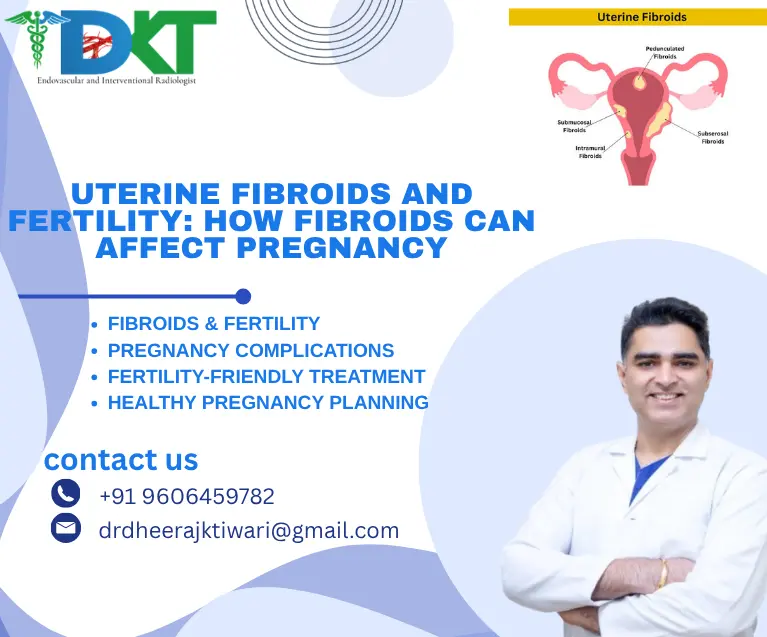
Yes, some fibroids can reduce the likelihood of conception, but many do not. Fibroids that protrude into or distort the uterine cavity, known as submucosal fibroids, are particularly associated with reduced fertility and adverse reproductive outcomes.
Intramural fibroids, which develop within the uterine muscle, may affect fertility in certain circumstances, especially if they distort the cavity. Subserosal fibroids, which grow on the outside of the uterus, are generally less likely to affect conception unless they cause significant anatomical distortion or other problems.
Therefore, the presence of a fibroid alone does not determine whether treatment is needed. Its precise location and the woman’s reproductive history are important.
2. Fibroids and Pregnancy: Risks, Fertility and Pregnancy Complications
Fibroids can influence conception and pregnancy in different ways. Many women with fibroids have healthy pregnancies, but certain fibroid types and locations are associated with increased risks. Understanding Uterine Fibroids and Fertility: How Fibroids Can Affect Pregnancy helps women discuss these risks with their healthcare team before trying to conceive.
How Can Fibroids Affect Fertility?
Fibroids may affect fertility through several mechanisms, depending on their location and size:
- Uterine cavity distortion: A fibroid that projects into the uterine cavity may interfere with embryo implantation.
- Changes in the uterine environment: Some fibroids may affect local blood flow or the normal function of the endometrium.
- Possible effects on sperm or embryo transport: Anatomical distortion may interfere with reproductive processes in selected cases.
- Associated reproductive conditions: Other conditions, such as endometriosis or ovulatory disorders, may contribute to fertility difficulties and should also be evaluated.
Not every fibroid causes infertility, and not every woman with infertility needs fibroid treatment. The decision should follow a comprehensive fertility assessment.
What Pregnancy Complications Can Fibroids Cause?
Depending on their size and location, fibroids may be associated with certain pregnancy complications, including:
- Pain during pregnancy: Fibroids can sometimes undergo degenerative changes, causing localised pain.
- Miscarriage: Some fibroid types, particularly those distorting the uterine cavity, may be associated with increased risk.
- Preterm birth: Certain fibroids are associated with a higher likelihood of delivery before 37 weeks.
- Placental complications: Fibroids near the placenta may be associated with placental problems in some pregnancies.
- Abnormal fetal position: Large or multiple fibroids may restrict the space available for the growing baby.
- Caesarean delivery: The likelihood may increase when fibroids obstruct the birth canal or affect the position of the baby.
- Postpartum bleeding: Fibroids may increase the risk of bleeding after delivery in some circumstances.
These outcomes are not inevitable. Many women with fibroids deliver healthy babies, and the level of risk depends on individual clinical findings.
Should Fibroids Be Treated Before Pregnancy?
Treatment may be considered before conception when fibroids distort the uterine cavity, cause significant symptoms, or are thought to contribute to fertility problems. However, removing or treating every fibroid before pregnancy is not necessary.
A fertility specialist and gynaecologist can help determine whether treatment is likely to improve reproductive outcomes. The discussion should include the expected benefit, recovery period, potential risks, and time needed before trying to conceive.
Women who are already pregnant should not assume that a fibroid requires immediate treatment. Most fibroids are monitored during pregnancy, with treatment focused on symptoms and obstetric care. Severe abdominal pain, heavy bleeding, fainting, or other concerning symptoms warrant prompt medical assessment.
When Should You Seek Specialist Advice?
Consider arranging an assessment if you have fibroids and are planning pregnancy, have experienced recurrent pregnancy loss, have difficulty conceiving, or experience heavy menstrual bleeding or persistent pelvic pain.
If you have been trying to conceive for 12 months without success, fertility evaluation is generally recommended. Women aged 35 or older are commonly advised to seek evaluation after six months, while earlier assessment may be appropriate when known reproductive conditions are present.
A specialist can explain how the findings relate to your fertility goals and whether observation, medication, a procedure, or surgery is appropriate.
3. Fibroid Treatment for Women: Options Before and During Pregnancy
The right treatment depends on the fibroids’ size, number, location, symptoms, fertility goals, and overall health. Understanding Uterine Fibroids and Fertility: How Fibroids Can Affect Pregnancy also means recognising that a treatment suitable for one woman may not be suitable for another.
What Are the Available Fibroid Treatment Options?
- Monitoring and observation
Women with small, asymptomatic fibroids that do not affect the uterine cavity may not need immediate treatment. Regular clinical reviews and ultrasound examinations can help monitor changes when indicated.
- Medication
Medicines may help manage heavy menstrual bleeding, pain, or anaemia. Some hormonal treatments temporarily reduce fibroid-related symptoms or size, but they are not appropriate for every woman planning pregnancy. Your doctor can explain which medicines are suitable and when they should be stopped.
- Myomectomy
Myomectomy is a surgical procedure that removes fibroids while preserving the uterus. Depending on the fibroids‘ location, it may be performed through hysteroscopy, laparoscopy, robotic-assisted surgery, or an open abdominal approach.
Myomectomy may be considered for women whose fibroids distort the uterine cavity or are believed to contribute to fertility problems. Recovery time and the recommended interval before trying to conceive vary with the procedure and individual circumstances. Surgery can also carry risks, including bleeding, adhesions, and the possibility of future fibroid growth.
- Uterine artery embolization (UAE)
Uterine artery embolization is a minimally invasive procedure performed by an interventional radiologist. A catheter is inserted into an artery, usually through a small puncture in the wrist or groin, and guided towards the uterine arteries. Small particles are then used to reduce the blood supply to the fibroids, causing them to shrink over time.
UAE can provide symptom relief for many women while avoiding major surgery. However, its suitability for women who wish to become pregnant in the future requires careful consideration. Evidence regarding fertility and pregnancy outcomes after UAE is less certain than for some other approaches, and potential effects on ovarian function and pregnancy must be discussed with a specialist.
- Other minimally invasive procedures
Other treatments, such as radiofrequency ablation, may be appropriate for selected patients. Their availability, effectiveness, and implications for future pregnancy vary. Women planning conception should discuss the evidence and uncertainties with a gynaecologist before choosing a procedure.
Which Fibroid Treatment Is Best for Women Planning Pregnancy?
There is no single treatment that is best for every woman. The choice should be based on the fibroid’s location, the severity of symptoms, fertility history, and the woman’s reproductive plans.
For example, a submucosal fibroid that distorts the uterine cavity may benefit from hysteroscopic removal. A woman with small fibroids that do not affect the cavity may be able to try conceiving without treatment. UAE may be appropriate for certain symptomatic patients, but women prioritising future pregnancy should have a detailed discussion about alternatives and reproductive outcomes.
The aim of Fibroid Treatment for Women is not simply to shrink or remove fibroids. It is to improve symptoms and, when relevant, support reproductive goals while minimising treatment-related risks.
Fibroids and Pregnancy: Treatment Comparison
| Treatment | Main purpose | Considerations for future pregnancy |
| Monitoring | Observe stable, asymptomatic fibroids | May be suitable when the uterine cavity is unaffected |
| Medication | Manage bleeding or pain | Some medicines delay conception or are unsuitable during pregnancy |
| Myomectomy | Remove selected fibroids | Often considered when fibroids affect fertility; recovery and uterine healing matter |
| Uterine artery embolization | Reduce fibroid blood supply and size | Fertility implications require careful counselling |
| Radiofrequency ablation | Destroy selected fibroid tissue | Pregnancy evidence and suitability depend on the technique and individual case |
What Should You Expect During Recovery?
Recovery varies according to the treatment selected. Medication may provide symptom relief over time, while myomectomy requires healing after surgery. Following UAE, many patients experience cramping, fatigue, or discomfort for several days and may need additional time away from normal activities.
After any procedure, follow-up helps assess symptom improvement and treatment response. Women planning pregnancy should obtain specific advice on when it is safe to start trying to conceive. The appropriate interval depends on the procedure, healing, and individual clinical findings.
For women exploring Fibroids and Pregnancy treatment options in Bangalore, coordinated care between a gynaecologist, fertility specialist, and interventional radiologist can help ensure that reproductive priorities are considered alongside symptom relief.
4. Frequently Asked Questions About Uterine Fibroids and Fertility
Can I Get Pregnant Naturally If I Have Uterine Fibroids?
Yes. Many women with uterine fibroids conceive naturally and have healthy pregnancies. The likelihood depends on factors such as fibroid location, size, number, age, and other fertility-related conditions. Fibroids that distort the uterine cavity are more likely to affect conception.
Do Fibroids Increase the Risk of Miscarriage?
Some fibroids, particularly those that distort the uterine cavity, may be associated with an increased risk of miscarriage. However, many women with fibroids have successful pregnancies. Your doctor can assess the fibroids’ location and explain your individual risk.
Should Fibroids Be Removed Before Trying to Conceive?
Not always. Treatment may be recommended when fibroids distort the uterine cavity, cause significant symptoms, or are thought to contribute to fertility problems. Small fibroids that do not affect the cavity may only require observation.
Is Uterine Artery Embolization Safe for Women Planning Pregnancy?
Uterine artery embolization can effectively treat fibroid-related symptoms, but its effects on future fertility and pregnancy require careful consideration. Women planning conception should discuss the potential benefits, risks, and alternatives with a gynaecologist and interventional radiologist before proceeding.
Can Fibroids Grow During Pregnancy?
Yes. Some fibroids increase in size during pregnancy, particularly in early pregnancy, while others remain stable or decrease in size. Growth is variable and does not automatically mean that complications will occur. Your obstetrician can recommend monitoring based on your individual condition.
What Are the Symptoms of Fibroids During Pregnancy?
Fibroids may cause pelvic pressure, abdominal discomfort, or episodes of pain. Some women experience no symptoms. Severe or persistent pain, vaginal bleeding, fever, or other concerning symptoms should be assessed promptly by a healthcare professional.
How Much Does Fibroid Treatment Cost in Bangalore?
The cost depends on the treatment method, number and size of fibroids, investigations, hospital charges, and individual medical needs. Medication, surgery, and image-guided procedures have different cost structures. An accurate estimate should be obtained from the treating facility after clinical evaluation rather than relying on a fixed price.
Which Doctor Should I Consult for Fibroids and Pregnancy in Bangalore?
A gynaecologist or fertility specialist can assess how fibroids may affect conception and pregnancy. An interventional radiologist can explain image-guided treatment options, including uterine artery embolization, when appropriate. The specialists should consider your reproductive plans before recommending a treatment.
Conclusion: Making Informed Decisions About Fibroids and Pregnancy
Uterine fibroids do not automatically prevent pregnancy, but their location, size, and number can influence fertility and pregnancy outcomes. Fibroids that distort the uterine cavity may require closer evaluation, while many other fibroids can be monitored without immediate intervention.
Understanding Uterine Fibroids and Fertility: How Fibroids Can Affect Pregnancy can help you discuss the benefits and limitations of monitoring, medication, myomectomy, and minimally invasive procedures with your healthcare team. The best approach depends on your symptoms, reproductive goals, medical history, and individual diagnostic findings.
If you are planning pregnancy or experiencing fibroid-related symptoms, seek a personalised assessment rather than choosing a treatment based on fibroid size alone.
Book an appointment to discuss fibroid treatment options and your reproductive goals.
Dr Dheeraj Tiwari – Interventional Radiologist in Bangalore
- Phone: +919606459782
- Location: Mazumdar Shaw Medical Center, 258/A, Hosur Road, Bommasandra Industrial Area, Anekal, Bangalore, Karnataka 560099.