
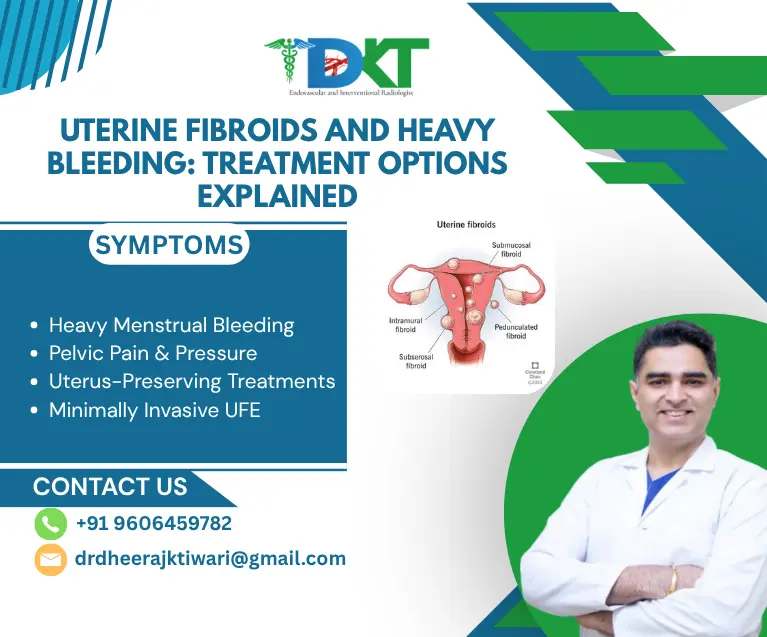
Heavy menstrual bleeding is not something women should simply learn to live with. When periods become unusually heavy, last longer than usual, or interfere with daily activities, uterine fibroids can be one possible cause. Fibroids are non-cancerous growths that develop in or around the uterus. Their size, number, and location can influence symptoms, including heavy menstrual bleeding, pelvic pressure, abdominal discomfort, and frequent urination.
Uterine Fibroids and Heavy Bleeding: Treatment Options Explained is important because treatment is not the same for every woman. Some fibroids may only require monitoring, while others may need medication, minimally invasive procedures, or surgery.
This guide explains common symptoms, causes, diagnosis, and available treatment options, including Uterine Fibroid Ablation and other Non-Surgical Fibroid Treatment approaches. If you have been searching online for fibroid treatment near me in Bengaluru, the first step should be a proper medical evaluation rather than choosing a procedure based only on symptoms.
Understanding Uterine Fibroids and Heavy Bleeding
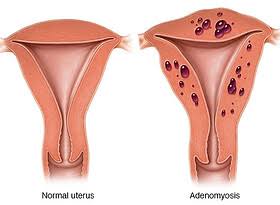
Fibroids are made up of muscle and connective tissue and develop within the uterus. They can occur as a single growth or as multiple fibroids. Many women have fibroids without experiencing significant symptoms.
However, fibroids that affect the uterine cavity or its muscle layer can contribute to heavier or prolonged menstrual bleeding.
Understanding Uterine Fibroids and Heavy Bleeding
Symptoms to Watch For
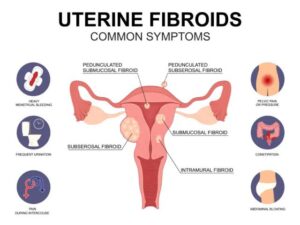
Common symptoms may include:
- Heavy menstrual periods
- Periods lasting longer than seven days
- Passing blood clots during menstruation
- Pelvic pressure or heaviness
- Lower abdominal discomfort
- Frequent urination
- Constipation or pressure on the bowel
- Pain during sexual intercourse
- Lower back discomfort
- Tiredness or weakness related to blood loss
uterine fibroids
Heavy bleeding can sometimes lead to iron-deficiency anemia. Symptoms such as unusual tiredness, weakness, dizziness, or shortness of breath should be discussed with a doctor.
The relationship between fibroids and bleeding depends partly on where the fibroid is located. Submucosal fibroids, which project toward the uterine cavity, are particularly associated with abnormal or heavy menstrual bleeding.
Uterine Fibroids and Heavy Bleeding: Treatment Options Explained should therefore begin with understanding the individual patient’s symptoms and the characteristics of the fibroids rather than assuming that every fibroid requires the same treatment.
What Causes Fibroids?
The exact reason why some women develop fibroids is not completely understood. Hormonal and genetic factors appear to play important roles. Fibroids are influenced by hormones such as oestrogen and progesterone and commonly occur during the reproductive years.
Having a family history of fibroids may also increase the likelihood of developing them. Age, hormonal factors, and certain other individual characteristics can influence their development and growth.
Importantly, having fibroids does not automatically mean that treatment is required. The need for treatment depends on symptoms, fibroid characteristics, age, reproductive plans, overall health, and personal preferences.
Diagnosis and Treatment Options for Fibroid-Related Bleeding
A proper diagnosis is essential before deciding on treatment. During an evaluation, the doctor may ask about menstrual patterns, bleeding severity, pelvic symptoms, previous treatments, pregnancy plans, and medical history.
How Are Uterine Fibroids Diagnosed?
Ultrasound is commonly used to identify fibroids and assess their size and location. Depending on the symptoms and findings, additional imaging such as MRI may provide more detailed information about the uterus and individual fibroids.
Blood tests may also be recommended when heavy bleeding is present, particularly to check for anaemia.
The location of the fibroid matters because it can influence which treatment approaches may be suitable.
Treatment Options
Treatment may range from observation to medication, minimally invasive procedures, or surgery.
Observation:
Small fibroids that are not causing significant symptoms may sometimes be monitored through regular medical follow-up.
Medication:
Depending on the situation, medicines may be used to manage heavy bleeding or pain. Medication may control symptoms but does not necessarily eliminate the fibroids.
Uterine Fibroid Embolization (UFE):
UFE is a minimally invasive procedure performed by an interventional radiologist. A catheter is guided through a blood vessel to the arteries supplying the fibroid. Small embolic particles are then used to reduce blood flow to the fibroid, causing it to shrink over time.
Uterine Fibroid Ablation:
Ablation refers to minimally invasive techniques that use energy to destroy or reduce targeted fibroid tissue. The suitability of an ablation technique depends on factors such as fibroid size, location, number, symptoms, and the patient’s individual circumstances.
Surgery:
Myomectomy removes fibroids while attempting to preserve the uterus. Hysterectomy removes the uterus and is a definitive treatment for fibroids, but it is not appropriate or necessary for every patient.
Uterine Fibroids and Heavy Bleeding: Treatment Options Explained becomes especially relevant when comparing these options because each approach has different benefits, limitations, recovery expectations, and implications for future pregnancy.
Benefits of Minimally Invasive Treatment
For appropriately selected patients, minimally invasive fibroid procedures may offer several advantages compared with major open surgery. These can include smaller access points, less surgical trauma, and potentially a shorter recovery period.
However, no treatment is suitable for everyone. A specialist needs to review imaging and medical history before recommending a procedure.
Non-Surgical Fibroid Treatment may be considered when the goal is to manage symptoms while avoiding major surgery. The right option depends on the patient’s specific clinical situation.
Uterine Fibroid Ablation, Recovery and Comparison
Uterine Fibroids and Heavy Bleeding: Treatment Options Explained should also address what happens after treatment. Recovery depends on the procedure performed and the patient’s overall health.
After a minimally invasive procedure, some patients may experience pelvic discomfort, tiredness, mild cramping, or temporary changes in symptoms. The treating specialist provides specific instructions about medicines, activity, follow-up, and warning signs.
Uterine Fibroid Ablation vs Other Treatments
There is no single treatment that is universally suitable for all fibroids.
| Treatment | General approach | Recovery considerations |
| Medication | Controls symptoms | Usually limited downtime |
| UFE | Reduces blood supply to fibroids | Recovery varies by patient |
| Uterine Fibroid Ablation | Uses energy to treat selected fibroid tissue | Depends on technique and fibroid characteristics |
| Myomectomy | Surgically removes fibroids | Recovery depends on surgical approach |
| Hysterectomy | Removes the uterus | Longer recovery than many minimally invasive procedures |
The comparison is only a general guide. A patient’s age, symptoms, fibroid location, number and size, fertility plans, and overall health all matter when selecting treatment.
If you are searching for Non-Surgical Fibroid Treatment or looking for a fibroid specialist near me in Bengaluru, consider taking your ultrasound or MRI reports to an experienced specialist for an individualized assessment.
About Dr. Dheeraj Tiwari – Interventional Radiologist in Bangalore
Dr. Dheeraj Tiwari – Interventional Radiologist In Bangalore provides minimally invasive, image-guided interventional radiology care. His area of treatment includes procedures such as uterine fibroid embolization, where appropriate, as well as other image-guided vascular and non-surgical interventions.

Dr. Dheeraj Tiwari – Interventional Radiologist in Bangalore
For women dealing with symptomatic fibroids, an interventional radiology consultation can help determine whether a minimally invasive approach may be appropriate based on the fibroid’s characteristics and the patient’s treatment goals.
Uterine Fibroids and Heavy Bleeding: Treatment Options Explained should ultimately be viewed as an educational guide rather than a substitute for an individual consultation.
Frequently Asked Questions
1. Can uterine fibroids cause very heavy periods?
Yes. Fibroids, particularly those affecting the uterine cavity, can contribute to heavy or prolonged menstrual bleeding. However, other causes of heavy bleeding should also be considered.
2. Is heavy bleeding from fibroids dangerous?
Persistent heavy bleeding can result in iron-deficiency anemia and may significantly affect daily life. Medical evaluation is recommended if bleeding is unusually heavy or prolonged.
3. What is Uterine Fibroid Ablation?
Uterine Fibroid Ablation refers to minimally invasive techniques that use energy to treat targeted fibroid tissue. The appropriate technique depends on the fibroid’s size, location, number, and other patient-specific factors.
4. What is Uterine Fibroid Embolization?
UFE is a minimally invasive procedure in which an interventional radiologist reduces the blood supply to fibroids using small embolic particles. Reduced blood flow can cause fibroids to shrink over time.
5. Is Non-Surgical Fibroid Treatment suitable for everyone?
No. Non-surgical approaches are not appropriate for every patient. Treatment selection depends on symptoms, imaging findings, fibroid characteristics, reproductive plans, and overall health.
6. Can fibroids be treated without removing the uterus?
In some patients, yes. Options such as medication, UFE, and selected ablation procedures may treat symptoms or fibroids without removing the uterus. Suitability should be assessed individually.
7. How long does recovery take after a minimally invasive fibroid procedure?
Recovery varies according to the procedure and individual patient. Your doctor can provide specific guidance based on the treatment performed and your medical condition.
8. Should I see a specialist for heavy bleeding?
If heavy or prolonged periods are affecting your daily life, causing weakness, or repeatedly leading to anaemia, a medical evaluation is appropriate. Identifying the underlying cause is important before selecting treatment.
9. How do I choose the right fibroid treatment?
The decision should be based on your symptoms, ultrasound or MRI findings, fibroid location and size, age, reproductive plans, medical history, and discussion with an appropriately qualified specialist.
Conclusion
Uterine Fibroids and Heavy Bleeding: Treatment Options Explained shows why heavy menstrual bleeding should not be ignored. Fibroids can be managed in several ways, ranging from observation and medication to minimally invasive procedures and surgery.
For selected patients, Uterine Fibroid Ablation, UFE, and other Non-Surgical Fibroid Treatment options may provide alternatives to major surgery. The most appropriate treatment depends on the individual rather than the diagnosis alone.
Uterine Fibroids and Heavy Bleeding: Treatment Options Explained can help you understand the available choices, but a personalized evaluation is necessary before deciding on treatment.
If heavy bleeding, pelvic pressure, or other fibroid-related symptoms are affecting your quality of life, book an appointment with Dr. Dheeraj Tiwari – Interventional Radiologist In Bangalore for an evaluation of your fibroids and discussion of suitable minimally invasive treatment options. A review of your symptoms and imaging can help determine whether procedures such as uterine fibroid embolization or another approach may be appropriate for you.
Uterine Fibroids and Heavy Bleeding: Treatment Options Explained is intended for general educational purposes and should not replace individualized medical advice.


2 Comments
[…] in or around the uterus. For many patients, treatment can significantly reduce symptoms such as heavy menstrual bleeding, pelvic pressure, abdominal discomfort, and frequent urination. However, an important question […]
Can Uterine Fibroids Come Back After Treatment? What Patients Should Know
October 07, 2026, at 5:49 pm[…] the uterus. They are common during the reproductive years and may cause symptoms ranging from heavy menstrual bleeding and pelvic pain to abdominal pressure and fertility-related concerns. While some fibroids do not […]
Uterine Fibroid Symptoms: When Should You See An Interventional Radiologist?
October 15, 2026, at 4:00 pm