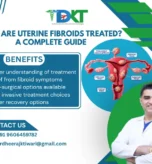

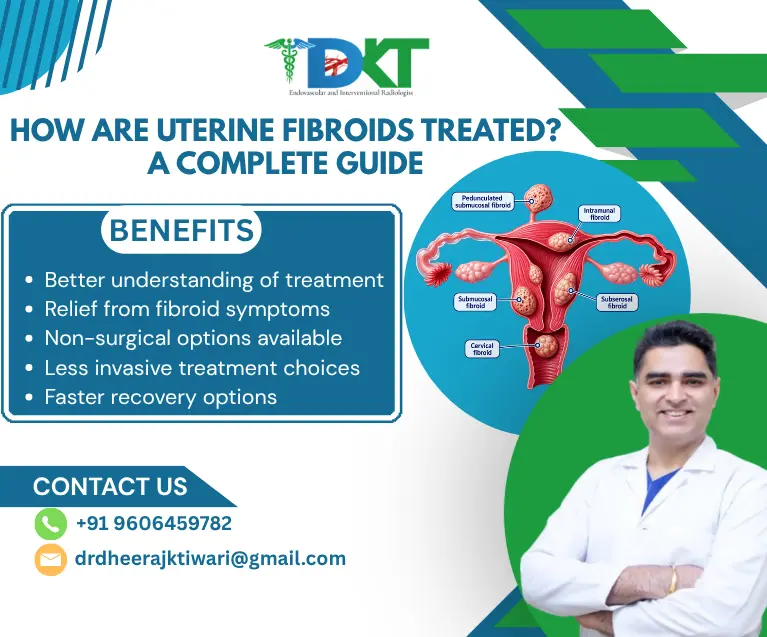
Uterine Fibroid Treatment depends on several factors, including the size, number, and location of fibroids, the severity of symptoms, overall health, and pregnancy or fertility plans. Treatment options may include monitoring, medications, minimally invasive procedures, or surgery.
The right treatment for uterine fibroids depends on several factors, including the size, number, location, symptoms, age, overall health, and pregnancy or fertility plans. Treatment may range from monitoring and medications to minimally invasive procedures and surgery.
For women who want to avoid major surgery, treatments such as Uterine Fibroid Embolization (UFE) may provide a minimally invasive option in appropriately selected cases.
What Are Uterine Fibroids?
Uterine fibroids are benign growths that develop from the muscle tissue of the uterus. They can vary significantly in size and number. Some women may have a single small fibroid, while others may have multiple or larger fibroids.
Uterine Fibroids Treated
Fibroids can cause symptoms such as:
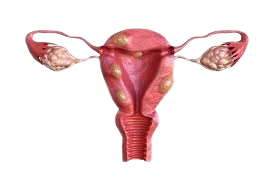
Uterine Fibroids Treated
- Heavy or prolonged menstrual bleeding
- Pelvic pain or pressure
- Frequent urination
- Abdominal fullness or enlargement
- Pain during intercourse
- Fatigue related to heavy blood loss
- Symptoms that interfere with daily activities
When symptoms are mild, treatment may not be immediately necessary. However, symptomatic or growing fibroids may require medical evaluation and treatment.
How Are Uterine Fibroids Diagnosed?
Before deciding on treatment, your doctor will usually evaluate your symptoms and medical history and may recommend imaging tests.
Common investigations include:
- Pelvic ultrasound: Helps identify the size, number, and location of fibroids.
- MRI: Provides more detailed information about fibroid size, location, and characteristics and may help with treatment planning.
- Blood tests: May be recommended to check for anemia, especially when menstrual bleeding is heavy.
- Clinical evaluation: Helps determine how severely fibroids are affecting your quality of life.
A detailed evaluation helps the specialist determine whether observation, medication, a minimally invasive procedure, or surgery is most appropriate.
Treatment Options for Uterine Fibroids
There is no single treatment that is best for every woman. Depending on the individual case, treatment options may include watchful waiting, medications, minimally invasive procedures, or surgery.
1. Watchful Waiting and Regular Monitoring
Not every fibroid requires immediate treatment.
If fibroids are small and are not causing significant symptoms, your doctor may recommend monitoring them through regular clinical assessments and imaging.
This approach may be suitable when:
- Symptoms are mild or absent
- Fibroids are not significantly affecting daily life
- There is no concerning change in their size or characteristics
- Immediate treatment is not necessary
Regular follow-up allows your doctor to monitor symptoms and fibroid growth and decide whether treatment becomes necessary later.
2. Medications for Fibroid Symptoms
Medications may be used to control symptoms such as heavy menstrual bleeding and pelvic discomfort. They generally focus on managing symptoms rather than physically removing or destroying the fibroids.
Depending on the patient’s condition, the doctor may recommend medications or hormonal treatments.
Medication may be considered when:
- Symptoms are manageable
- Surgery or procedures are not immediately required
- Temporary symptom control is needed
- The patient is being evaluated for another treatment
The appropriate medication depends on individual health, symptoms, and treatment goals.
Non-Surgical Treatment Options for Uterine Fibroids
For women who want to avoid conventional surgery, minimally invasive treatments may be considered. One of the established catheter-based options is Uterine Fibroid Embolization (UFE).
3. Uterine Fibroid Embolization (UFE)
Uterine Fibroid Embolization, also known as Uterine Artery Embolization (UAE), is a minimally invasive, image-guided treatment for symptomatic uterine fibroids.
During UFE, an interventional radiologist guides a thin catheter through a blood vessel toward the arteries supplying the uterus. Tiny embolic particles are then introduced into the uterine arteries to reduce blood flow to the fibroids.
With reduced blood supply, the fibroids gradually shrink, which can help relieve symptoms such as heavy menstrual bleeding, pelvic pressure, and pain.
Unlike hysterectomy, UFE does not involve removing the uterus.
How Is UFE Performed?
The procedure generally involves the following steps:
1. Pre-Procedure Evaluation
The doctor reviews your symptoms, medical history, medications, imaging reports, and previous treatments. Ultrasound or MRI may be recommended to assess the fibroids and plan treatment.
2. Vascular Access
A small access point is created in a blood vessel, commonly through the groin. Local anesthesia and sedation may be used according to the treatment plan.
3. Catheter Placement
A thin catheter is guided through the blood vessels toward the uterine arteries using real-time imaging.
4. Embolization
Tiny embolic particles are delivered into the arteries supplying the fibroids. This reduces their blood supply while aiming to preserve blood flow to healthy uterine tissue.
5. Recovery and Monitoring
After the procedure, the catheter is removed and the access site is monitored. Patients may experience pelvic cramping or discomfort during the early recovery period.
The UFE procedure typically takes around one to two hours, although preparation and recovery can require additional time.
Benefits of Uterine Fibroid Embolization
For appropriately selected patients, UFE may offer several advantages:
- Minimally invasive treatment
- No conventional abdominal or uterine surgical incision
- Uterus is preserved
- Can treat multiple fibroids during one procedure
- May reduce heavy menstrual bleeding
- May relieve pelvic pressure and pain
- Generally involves a shorter recovery than major surgery
- May involve a shorter hospital stay
- Allows patients to avoid hysterectomy in appropriate cases
However, UFE is not automatically the best option for every patient. Treatment should be selected after an individualized medical evaluation.
4. Other Minimally Invasive Fibroid Treatments
Depending on the characteristics of the fibroid and the patient’s medical needs, other minimally invasive treatment approaches may also be considered.
The availability and suitability of these procedures can vary. A specialist may evaluate the size, location, number, and type of fibroids, along with symptoms and reproductive goals, before recommending a specific treatment.
Surgical Treatment Options for Uterine Fibroids
When fibroids are large, cause significant symptoms, or do not respond adequately to other treatments, surgery may be recommended.
5. Myomectomy
A myomectomy is a surgical procedure in which fibroids are removed while the uterus is preserved.
It may be considered for women who want to retain their uterus, including some women who are considering future pregnancy.
Depending on the fibroid’s size and location, myomectomy may be performed through different surgical approaches.
The appropriate approach depends on:
- Fibroid size
- Number of fibroids
- Location
- Overall health
- Previous surgeries
- Pregnancy plans
6. Hysterectomy
A hysterectomy involves surgical removal of the uterus. It provides definitive treatment for uterine fibroids because the uterus containing the fibroids is removed.
Hysterectomy may be considered when:
- Fibroids are causing severe symptoms
- Fibroids are very large or numerous
- Other treatments have not provided adequate relief
- The patient does not wish to preserve the uterus
- There are other medical reasons for removing the uterus
Because the uterus is removed, pregnancy is no longer possible after hysterectomy.
UFE vs Surgery: Which Is Better?
There is no universal answer to whether UFE or surgery is better.
UFE reduces blood flow to fibroids so that they can shrink over time, while myomectomy surgically removes fibroids and hysterectomy removes the uterus.
UFE may be attractive to women seeking a minimally invasive approach and uterine preservation. Surgery may be more appropriate in certain cases, particularly when the diagnosis, fibroid characteristics, or other medical factors make surgery preferable.
The decision should be based on:
- Fibroid size and location
- Number of fibroids
- Severity of symptoms
- Overall health
- Previous treatment
- Fertility and pregnancy plans
- Patient preference
- Specialist assessment
Is UFE Suitable for Everyone?
No. UFE is a patient-specific treatment.
Your specialist may evaluate:
- Number and size of fibroids
- Location and characteristics of fibroids
- Blood supply to the fibroids
- Severity of symptoms
- Previous pelvic surgery
- Overall health
- Imaging findings
- Pregnancy and fertility plans
Conditions such as pregnancy, active pelvic infection, suspected uterine cancer, certain severe medical conditions, and coagulation problems may affect whether UFE is appropriate.
Women planning pregnancy should discuss their fertility goals carefully with their gynecologist and interventional radiologist before choosing UFE.
What Is the Cost of Uterine Fibroid Treatment?
The cost of fibroid treatment varies depending on the treatment selected and the patient’s individual condition.
For Uterine Artery Embolization in India, a general cost range may be approximately ₹70,000 to ₹3,00,000. However, this is only a broad indication and should not be considered a fixed price.
Several factors can influence the final UFE cost, including:
- Hospital and facility charges
- City and treatment location
- Specialist fees
- Fibroid size, number, and complexity
- MRI, ultrasound, and blood tests
- Embolic materials and medical supplies
- Sedation and medications
- Room type
- Duration of hospital stay
- Follow-up care
- Additional treatment if complications occur
Patients should request a detailed cost estimate and clarify what is included in the treatment package before scheduling the procedure.
Does Health Insurance Cover Uterine Fibroid Treatment?
Insurance coverage depends on the policy, insurer, medical indication, and hospital.
Patients considering UFE should confirm:
- Whether UFE is covered
- Whether pre-authorization is required
- Whether the hospital is part of the insurance network
- Whether diagnostic tests are covered
- Whether hospitalization and medicines are included
- Whether any exclusions or waiting periods apply
Checking these details in advance can help reduce unexpected expenses.
Recovery After Uterine Fibroid Embolization
Recovery varies from patient to patient. Some women may experience pelvic cramping, discomfort, fatigue, or nausea after UFE.
Your doctor may recommend:
- Taking prescribed medications
- Staying hydrated
- Resting during the initial recovery period
- Avoiding strenuous activity until advised
- Attending scheduled follow-up appointments
- Monitoring for unusual symptoms
Follow-up may include clinical assessment, imaging, and monitoring of symptoms and fibroid size.
What Are the Risks of UFE?
Like any medical procedure, UFE has potential risks and side effects.
These may include:
- Pelvic pain or cramping
- Nausea
- Bruising or hematoma at the access site
- Infection
- Menstrual changes
- Contrast-related reactions
- Blood vessel complications
- Incomplete symptom improvement
- Rare complications requiring additional treatment
Your specialist should explain the potential benefits and risks based on your individual medical condition before treatment.
Frequently Asked Questions About Uterine Fibroid Treatment
Can uterine fibroids be treated without surgery?
Yes. Depending on the patient’s condition, options may include medication and minimally invasive procedures such as Uterine Fibroid Embolization. The appropriate treatment depends on the size, location, symptoms, and characteristics of the fibroids.
Is UFE a non-surgical treatment?
Yes. UFE is a minimally invasive, catheter-based procedure that treats fibroids by reducing their blood supply without surgically removing the uterus.
Does UFE remove fibroids?
UFE does not physically remove fibroids. Instead, it reduces their blood supply, causing them to gradually shrink over time.
Is UFE better than hysterectomy?
Neither treatment is universally better. UFE preserves the uterus and is minimally invasive, while hysterectomy provides definitive treatment by removing the uterus. The appropriate option depends on the patient’s condition, medical needs, and treatment goals.
Can multiple fibroids be treated with UFE?
UFE can be used to treat multiple symptomatic fibroids in appropriately selected patients. Your specialist will assess the number, size, location, and blood supply of the fibroids before recommending treatment.
How long does a UFE take?
The procedure typically takes around one to two hours, although the complete hospital visit may take longer because of preparation and recovery.
How much does UFE cost in India?
A general range for Uterine Artery Embolization in India is approximately ₹70,000 to ₹3,00,000, but the actual cost varies depending on the hospital, location, procedure complexity, investigations, materials, and other treatment-related expenses.
Can fibroids come back after treatment?
The possibility of additional or recurrent fibroid-related symptoms depends on the treatment and individual circumstances. Your specialist can explain the expected long-term outcome based on your specific case.
About Dr. Dheeraj Tiwari
Dr. Dheeraj Kumar Tiwari is a Senior Consultant and Head of Interventional Radiology at Narayana Health City in Bengaluru. His practice focuses on minimally invasive, image-guided procedures, including Uterine Fibroid Treatment, Uterine Artery Embolization, thyroid procedures, prostatic artery embolization, varicocele treatment, and other interventional radiology procedures.
For women considering Uterine Fibroid Embolization, an individual evaluation can help determine whether UFE or another treatment approach is appropriate based on the fibroid characteristics, symptoms, medical history, and treatment goals.
Conclusion
Uterine fibroids can be treated through several approaches, ranging from observation and medications to minimally invasive procedures and surgery. The best treatment depends on the individual patient’s symptoms, fibroid size, number, location, overall health, and pregnancy or fertility plans.
For women looking for a minimally invasive alternative to major surgery, Uterine Fibroid Embolization (UFE) may be an appropriate option in selected cases. It reduces blood flow to fibroids, allowing them to shrink and potentially relieving symptoms while preserving the uterus.
However, treatment should never be chosen based on cost alone. A detailed evaluation by an experienced specialist can help you understand the available options, expected benefits, risks, recovery, and overall expenses.
Book an Appointment with Dr. Dheeraj Tiwari
If you are experiencing symptoms caused by uterine fibroids and considering Uterine Fibroid Embolization (UFE), consult Dr. Dheeraj Tiwari, Senior Consultant and Head of Interventional Radiology in Bengaluru for expert evaluation.
Discuss your symptoms, medical reports, imaging findings, and treatment goals to understand whether UFE or another treatment option is suitable for you.