Varicose Veins: Effective Treatment for Healthier Legs
Experiencing leg pain, swelling, or visible twisted veins? Varicose veins are a common condition that can affect both comfort and appearance. With modern, minimally invasive treatments available, managing varicose veins is now safer, quicker, and more effective than ever.
What are Varicose Veins?
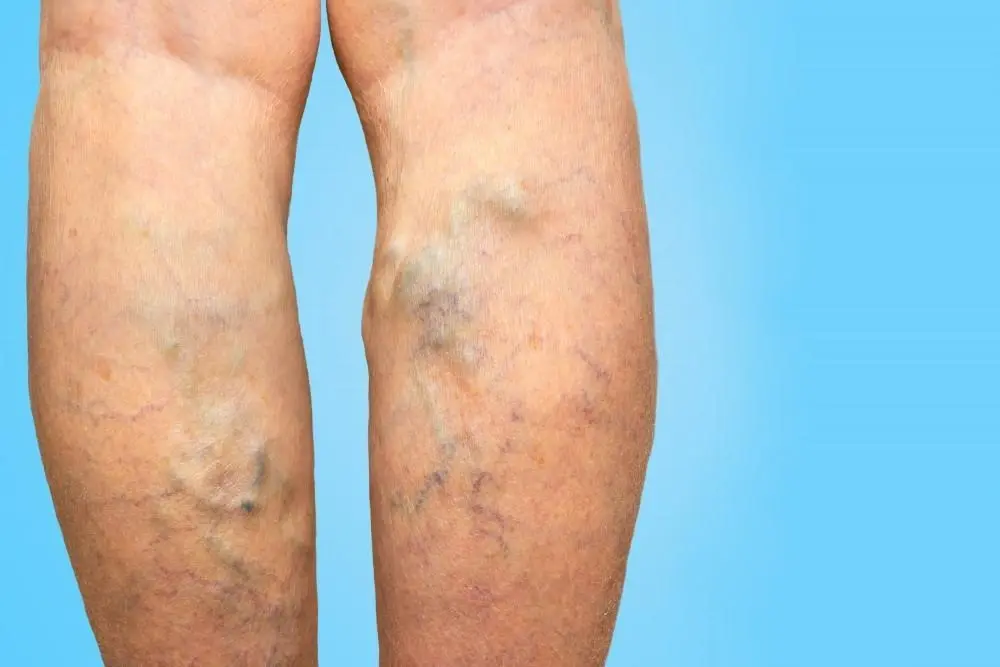
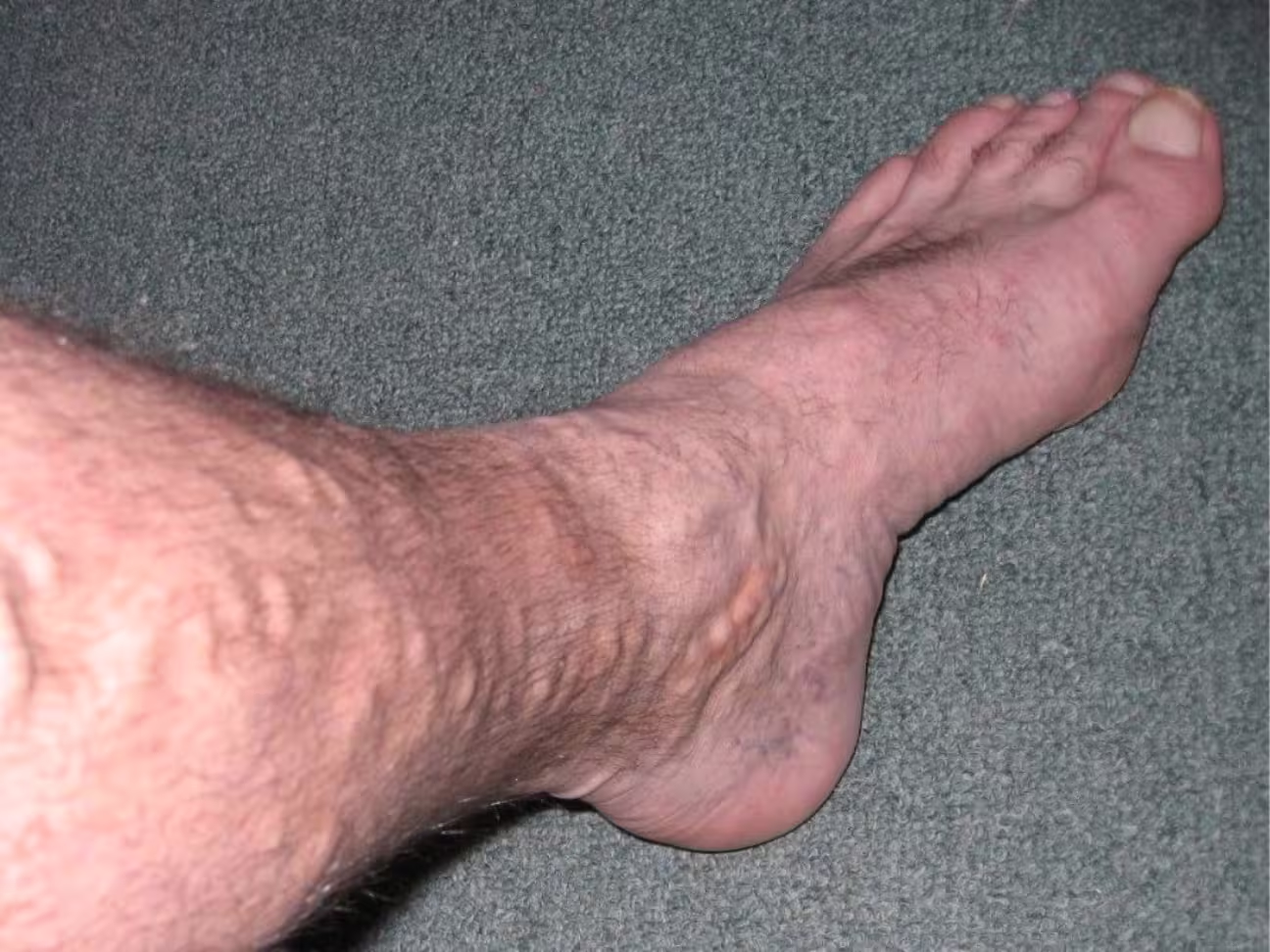
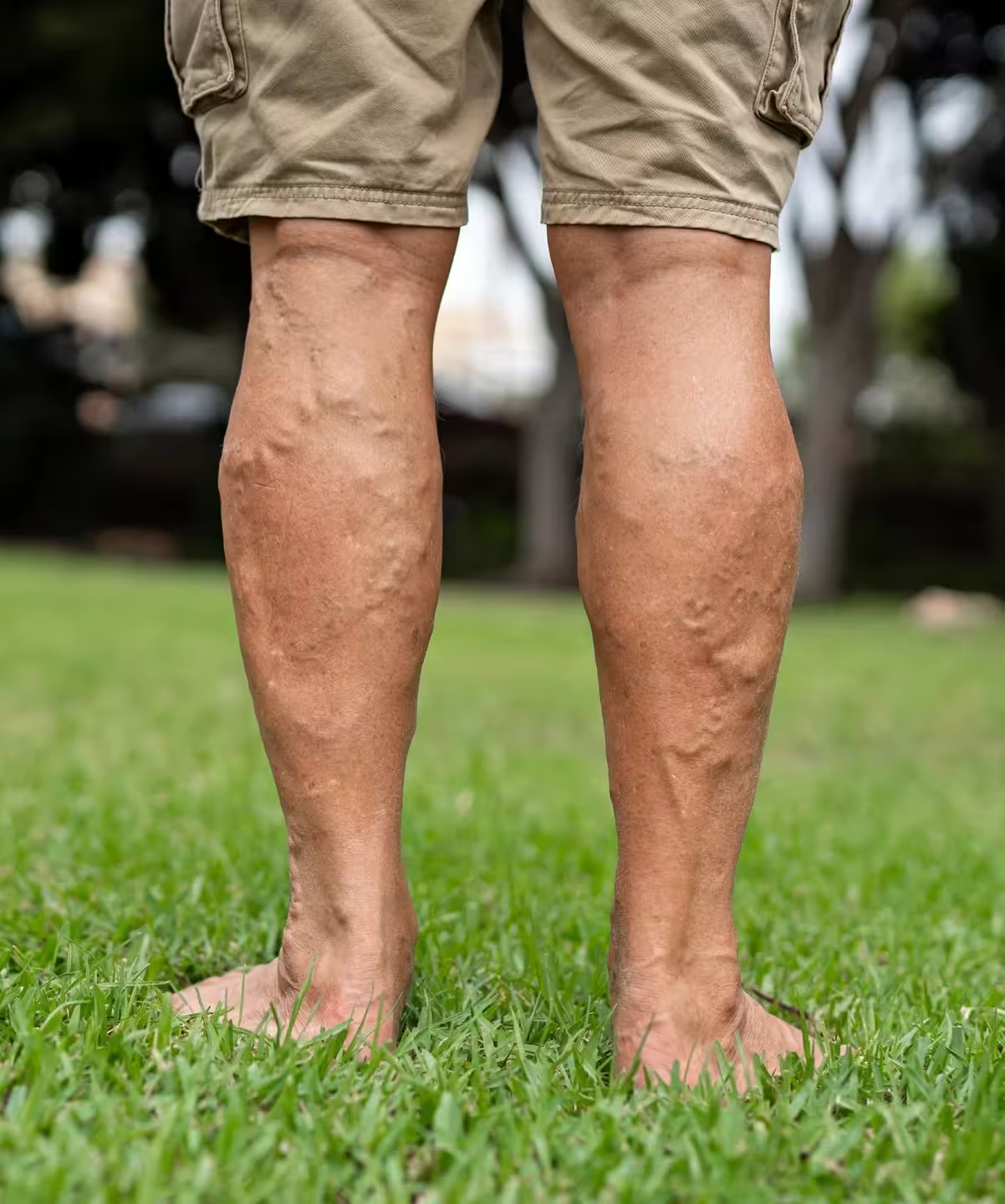
Varicose veins are enlarged, swollen veins that usually appear on the legs due to weakened or damaged valves. These valves normally help blood flow toward the heart, but when they fail, blood pools in the veins, causing them to bulge and become visible.
Varicose Veins: Effective Treatment for Healthier Legs
Varicose veins can affect anyone but are more common in:
Individuals who stand or sit for long periods
Women, especially during pregnancy
People with a family history of vein problems
Overweight or obese individuals
Aging adults
Key Symptoms of Varicose Veins
Bulging, twisted veins (blue or purple)
Leg pain or heaviness
Swelling in the lower legs
Burning or throbbing sensation
Itching around the veins
Muscle cramps, especially at night
Key Benefits of Varicose Veins Treatment
Relieves pain and discomfort
Improves leg appearance
Enhances blood circulation
Prevents complications (like ulcers or clots)
Boosts confidence and mobility
Treatment Options for Varicose Veins
Treatment depends on the severity and symptoms. Common options include:
Endovenous Laser Treatment (EVLT) – Uses laser energy to close affected veins
Radiofrequency Ablation (RFA) – Uses heat to seal the veins
Sclerotherapy – Injection-based treatment to collapse smaller veins
VenaSeal (Glue Therapy) – Medical adhesive used to close veins
Surgical options (in advanced cases)
Risks and Considerations
Varicose vein treatments are generally safe, but may include minor risks such as:
Temporary bruising or swelling
Mild pain or skin discoloration
Rare chances of infection or clotting
These risks are minimal when treated by experienced specialists.
Recovery and Results
Minimal discomfort after the procedure
Walking is encouraged immediately
Return to normal activities within 1–2 days
Visible improvement in a few weeks
Continued improvement over time
Procedure Overview (Minimally Invasive Treatment)
Evaluation: Ultrasound scan to assess vein condition
Local anesthesia: Area is numbed for comfort
Catheter or injection: A thin device is inserted into the vein
Treatment delivery: Heat, laser, or medication closes the vein
Completion: Blood flow is naturally redirected to healthy veins
Most procedures take 30–60 minutes.
Why Choose Varicose Veins Treatment?
Modern treatments for varicose veins offer a highly effective and patient-friendly alternative to traditional surgery. They are designed to provide long-lasting results with minimal disruption to daily life.
Minimally invasive procedures
No major surgery or stitches
Quick recovery and same-day discharge
High success and low recurrence rates
Improved cosmetic outcomes
FAQS
Helping You Understand Varicose Veins
If you are dealing with leg discomfort or visible veins, consulting a specialist can help you choose the right treatment and prevent complications.