Experiencing discomfort in the scrotum or facing fertility concerns? Varicocele is a common condition that affects many men and can impact testicular health and sperm quality. Fortunately, modern treatment options offer safe and effective relief.
What is Varicocele?
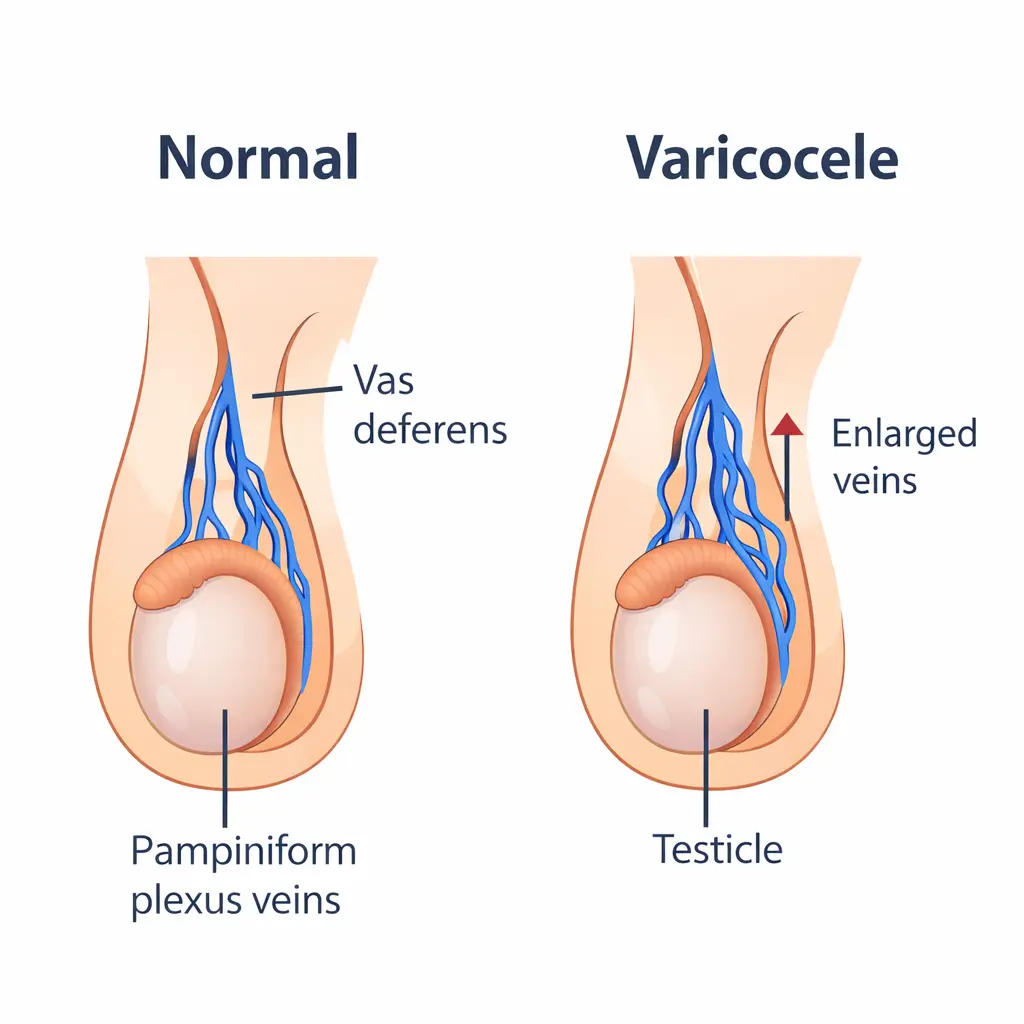
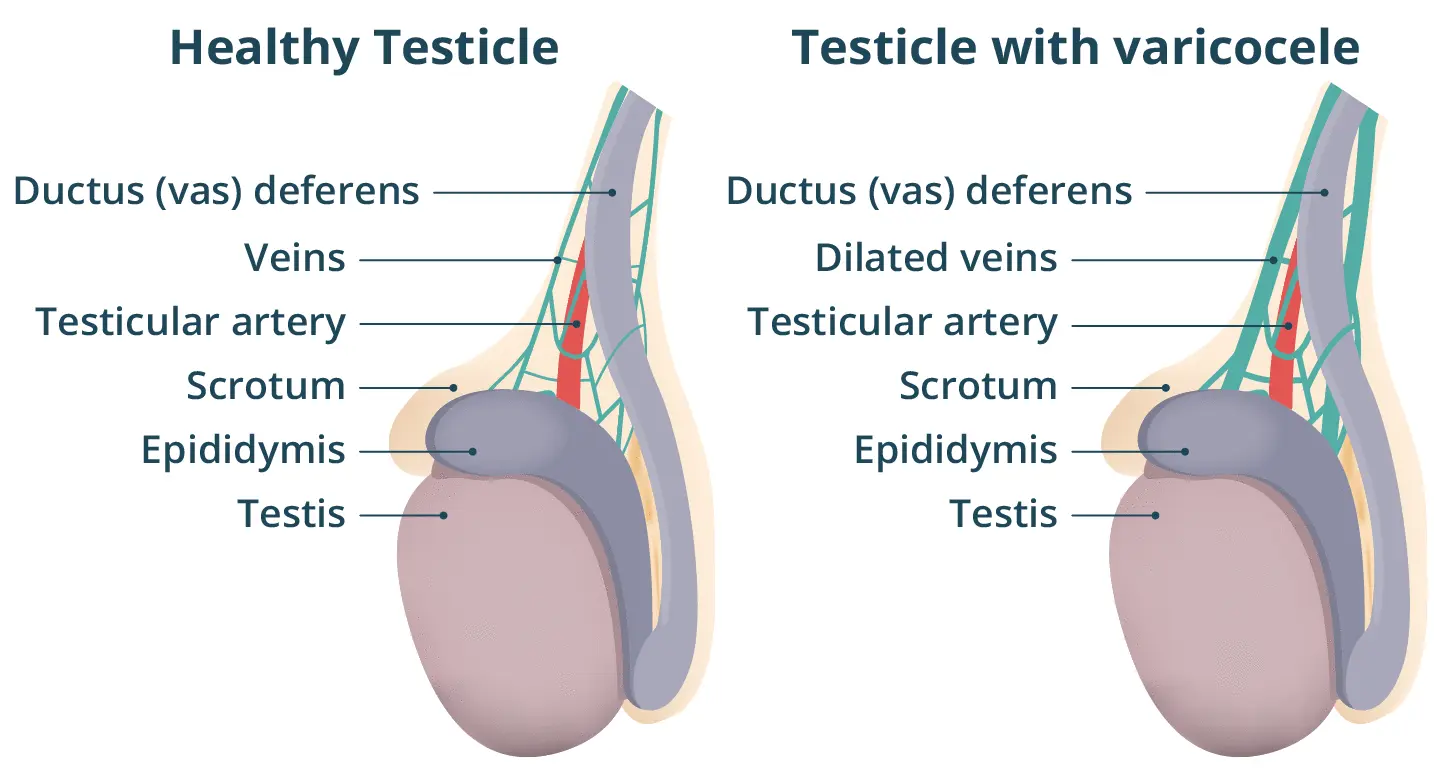
Varicocele is the enlargement of veins within the scrotum (similar to varicose veins in the legs). It occurs when blood flow in the testicular veins becomes impaired, leading to swelling and increased temperature around the testicles.
This condition is most commonly found on the left side and may develop during puberty or adulthood.
Varicocele can affect men of all ages but is more common in:
Adolescents and young adults
Men experiencing infertility issues
Individuals with a dull, aching scrotal pain
Men noticing testicular swelling or heaviness
Key Symptoms of Varicocele
Dull or aching pain in the scrotum
Visible or enlarged veins (often described as a “bag of worms”)
Testicular discomfort, especially after standing for long periods
Reduced sperm quality or infertility
Testicular shrinkage (in some cases)
Treatment Options for Varicocele
Treatment depends on the severity and symptoms. Common approaches include:
Varicocelectomy (Surgical Repair) – Tying off affected veins to redirect blood flow
Percutaneous Embolization – A minimally invasive procedure that blocks abnormal veins using imaging guidance
Recovery and Results
Mild discomfort for a short period after the procedure
Most patients return to normal activities within 1–2 days
Improvement in symptoms over a few weeks
Fertility improvements may be seen over 3–6 months
Key Benefits of Varicocele Treatment
Improves fertility potential
Relieves pain and discomfort
Enhances sperm quality and count
Prevents further testicular damage
Minimally invasive treatment options available
Procedure Overview (Varicocele Embolization)
Initial evaluation: Physical exam and ultrasound
Local anesthesia: Small area is numbed
Catheter insertion: A thin tube is inserted through a vein
Blocking the veins: Coils or agents are used to block abnormal veins
Completion: Blood flow is redirected to healthy veins
The procedure usually takes 30–60 minutes.
Risks and Considerations
Varicocele treatment is generally safe, but possible risks include:
Mild pain or bruising
Recurrence (rare)
Infection (very uncommon)
Choosing an experienced specialist helps minimize these risks.
Why Choose Varicocele Treatment?
Modern varicocele treatments, especially minimally invasive techniques like embolization, provide effective results with minimal downtime. They are a preferred choice for patients seeking a safe, quick, and scar-free solution.
FAQS
Helping You Understand Varicocele
If you are experiencing symptoms or fertility concerns, consulting a specialist for varicocele treatment can help you take the right step toward better reproductive health.