Thyroid Ablation: A Modern, Minimally Invasive Treatment
Looking for an effective, non-surgical solution for thyroid nodules? Thyroid ablation is an advanced, minimally invasive procedure designed to treat benign thyroid nodules with precision, safety, and minimal downtime.
What is Thyroid Ablation?
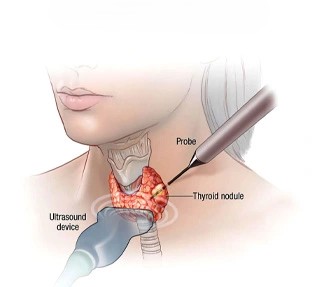
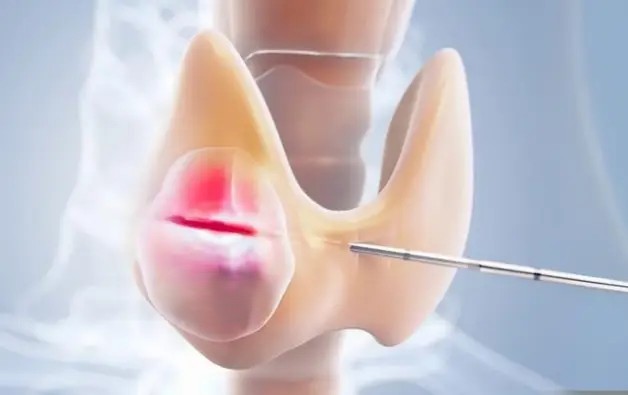
Thyroid ablation refers to a group of image-guided procedures that use heat or other energy sources to shrink or destroy abnormal thyroid tissue without the need for traditional surgery. The most common techniques include:
Radiofrequency Ablation (RFA) – Uses heat generated by radio waves
Laser Ablation – Uses laser energy to reduce nodule size
Microwave Ablation – Uses electromagnetic waves for targeted treatment
These procedures are typically performed under local anesthesia and guided by ultrasound for accuracy.
Thyroid Ablation: A Modern, Minimally Invasive Treatment
Have benign thyroid nodules causing discomfort or cosmetic concerns
Experience symptoms like difficulty swallowing or a visible neck swelling
Want to avoid surgery or are not good candidates for surgery
Prefer a scar-free treatment option
Key Benefits of Thyroid Ablation
Minimally invasive – No large incisions or stitches
No visible scars – Cosmetic advantage over surgery
Quick recovery – Most patients return to normal activities within a day or two
Preserves thyroid function – Reduces the need for lifelong medication
Outpatient procedure – No long hospital stays required
Procedure Overview
Pre-procedure evaluation: Ultrasound and biopsy confirm the nodule is benign
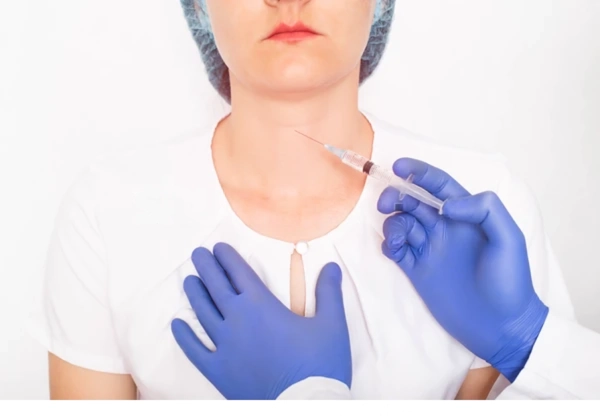
Local anesthesia: The treatment area is numbed
Guided insertion: A thin probe is inserted into the nodule using ultrasound
Energy delivery: Heat or laser energy shrinks the nodule
Post-procedure monitoring: Short observation before discharge
The entire process typically takes 30–60 minutes, depending on the size and number of nodules.
Risks and Considerations
Thyroid ablation is generally safe, but like any medical procedure, it may carry minor risks such as:
Temporary pain or swelling
Voice changes (rare and usually temporary)
Minor bruising
Choosing an experienced specialist greatly minimizes these risks.
Recovery and Results
Mild swelling or discomfort may occur for a short time
Most patients resume daily activities within 24–48 hours
Nodules gradually shrink over weeks to months
Significant reduction in size (up to 70–90%) is common over time
Why Choose Thyroid Ablation?
With growing demand for non-surgical treatments, thyroid ablation has emerged as a preferred option for managing benign thyroid nodules. It combines effectiveness, safety, and convenience, making it an excellent alternative to traditional thyroid surgery.
FAQS
Helping You Understand Thyroid Ablation
If you are struggling with thyroid nodules and looking for a modern, non-surgical solution, consulting a qualified specialist for thyroid ablation can be an important step toward long-term relief and improved quality of life.
Yes, thyroid ablation is a safe and minimally invasive procedure when performed by experienced specialists. It carries fewer risks compared to traditional surgery and is widely used for treating benign thyroid nodules.
How Long Does It Take to See Results?
Most patients begin to notice improvement within a few weeks. However, the treated nodule gradually shrinks over 2–6 months, with continued reduction over time.
Will I Need Thyroid Hormone Tablets After Ablation?
In most cases, thyroid ablation preserves normal thyroid function, so patients do not require lifelong hormone medication. Your doctor will monitor thyroid levels to ensure everything remains normal.
How Long Is the Hospital Stay?
Thyroid ablation is usually performed as an outpatient or day-care procedure. Patients are typically discharged the same day or within a few hours after observation.