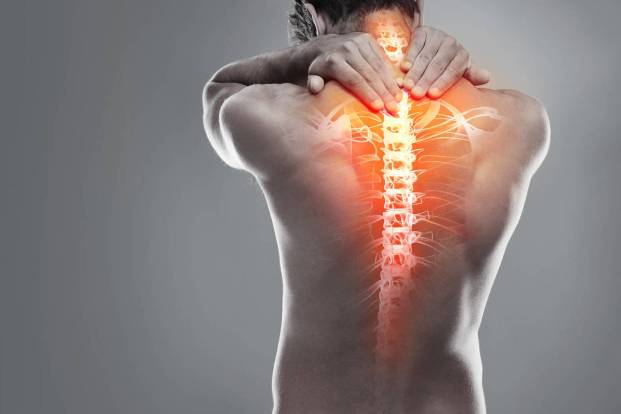
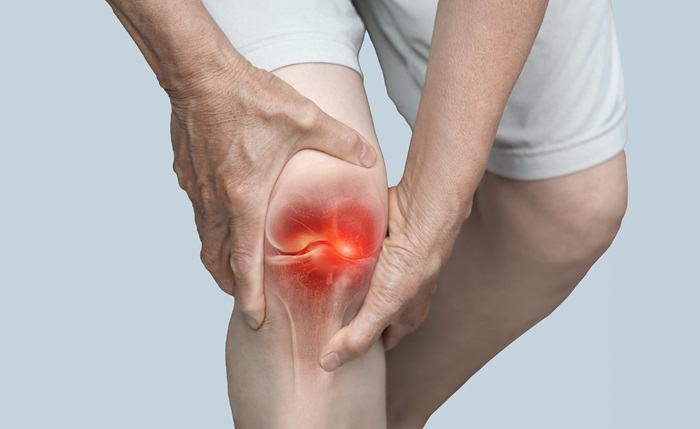
Living with persistent pain can affect your daily activities, sleep, and overall well-being. Pain Management focuses on diagnosing, treating, and reducing pain through advanced, minimally invasive techniques—helping you return to a more active and comfortable life.
What is Pain Management?
Pain management is a specialized medical approach that aims to reduce or eliminate chronic and acute pain using a combination of treatments. These may include medications, physical therapy, and image-guided minimally invasive procedures tailored to the patient’s condition.
Evaluation: Detailed assessment and imaging if required
Diagnosis: Identifying the exact source of pain
Local anesthesia: Ensures comfort during the procedure
Image-guided treatment: Precise delivery of medication or therapy
Post-procedure care: Short observation and discharge
Most procedures are completed within 20–45 minutes.
Key Benefits of Pain Management
Reduces or eliminates chronic pain
Improves mobility and function
Minimally invasive treatment options
Reduces dependence on long-term medication
Enhances quality of life
Recovery and Results
Minimal downtime after procedures
Many patients experience relief within a few days
Gradual improvement in mobility and function
Long-lasting results depending on the condition and treatment
Risks and Considerations
Pain management procedures are generally safe, but minor risks may include:
Temporary soreness at the injection site
Mild swelling or bruising
Rare risk of infection or nerve irritation
These risks are minimal when performed by trained specialists.
Why Choose Pain Management?
Modern pain management offers a targeted and effective alternative to long-term medication or surgery. It focuses on treating the root cause of pain while improving overall function.
Non-surgical and minimally invasive
Personalized treatment plans
Quick procedures with minimal downtime
Improved daily functioning and comfort
Holistic approach to pain relief
FAQS
Helping You Understand Pain Management
If pain is affecting your daily life, consulting a pain specialist can help you find the right treatment and regain control over your health.